
The Science of Studying Smarter: Evidence-Based Techniques That Actually Work
Why Most Studying Doesn't Stick
Rereading notes. Highlighting textbooks in three colors. Cramming the night before a test. These are the study habits most of us grew up with — and they feel productive. You're spending time with the material, after all.
The problem is that decades of cognitive science research tell a different story. Techniques that feel effective, like rereading and highlighting, produce only shallow, short-lived familiarity. Meanwhile, techniques that feel harder and more uncomfortable are the ones that actually build durable, transferable learning.
This gap between what feels like learning and what is learning is one of the most well-documented findings in educational psychology. Here's what the research actually recommends, and how to put it into practice.
1. Retrieval Practice: Test Yourself Before You're Tested
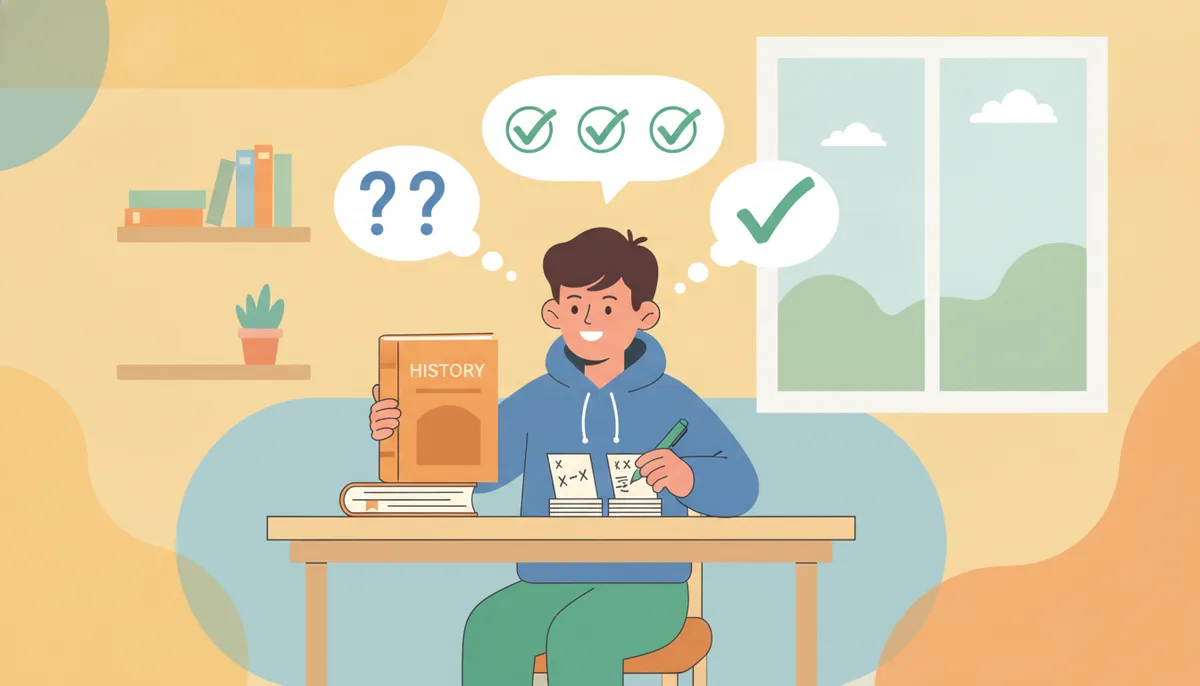
The single most robust finding in learning science is this: actively pulling information out of your memory strengthens that memory far more than putting information in.
This is called retrieval practice, and it's the mechanism behind flashcards, practice tests, and simply closing the book and trying to recall what you just read. Every time you struggle to remember something and succeed, you're strengthening the neural pathway to that memory. Every time you reread instead, you're skipping that strengthening step entirely.
How to use it:
- After reading a section, close the material and write down everything you remember before checking your notes.
- Turn your notes into questions, then quiz yourself on them later — not immediately.
- Use low-stakes practice tests or flashcards regularly, not just before exams.
2. Spaced Repetition: Space Out, Don't Cram
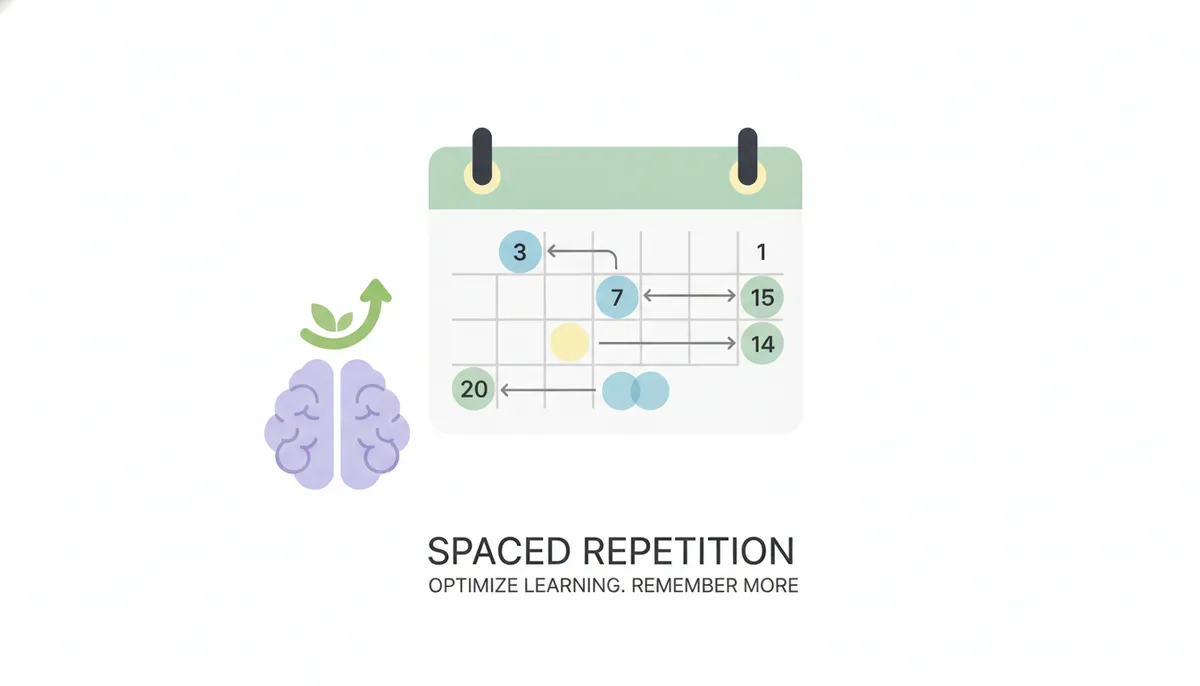
Cramming produces a short, sharp spike in memory that fades within days. Spacing the same material across multiple sessions, with increasing gaps between them, produces memory that lasts months or years.
This happens because a bit of forgetting between sessions is actually useful — when you have to work a little to bring the memory back, that effort is what cements it. Review too soon and there's no effort involved; wait too long and you've lost the thread entirely. The sweet spot is reviewing material right around the point you're starting to forget it.
How to use it:
- Break study sessions into short, spaced blocks (e.g., a topic on day 1, day 3, day 7, day 21) rather than one long session.
- Use a spaced-repetition tool or app that automatically schedules reviews based on how well you know each item.
- Revisit older material periodically, not just the newest topic.
3. Interleaving: Mix It Up Instead of Blocking It
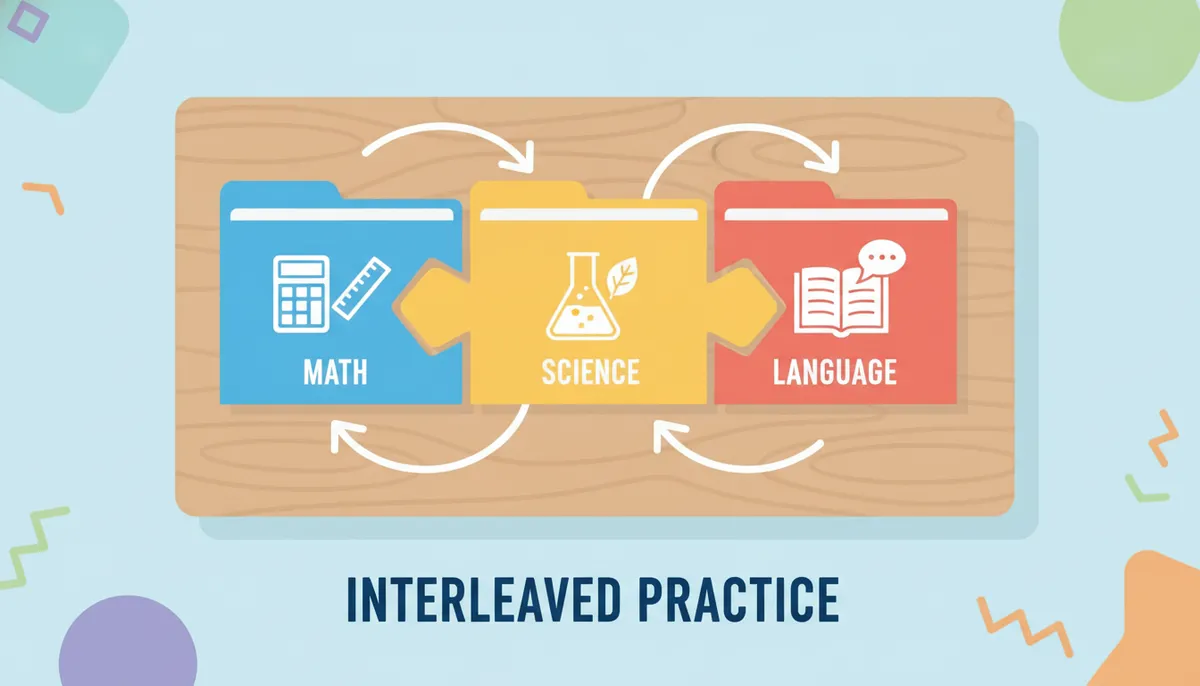
Most students study one topic at a time until they feel they've mastered it, then move to the next (called "blocked" practice). It feels efficient. But research shows that interleaving — mixing different topics or problem types within a single study session — leads to better long-term retention and, importantly, better ability to tell which method or concept applies to a new problem.
Interleaving feels harder in the moment and often produces worse performance during practice itself. That's part of why it's underused — it doesn't feel like it's working. But it's precisely that added difficulty that builds more flexible, durable understanding.
How to use it:
- Instead of doing 20 of the same type of math problem in a row, mix problem types within a session.
- When studying multiple subjects, alternate between them rather than finishing one completely before starting the next.
- When reviewing, deliberately shuffle old and new material together.
4. Elaboration: Connect New Ideas to What You Already Know
Elaboration means explaining and describing ideas with many details, and connecting new material to things you already understand. Asking yourself "why" and "how" questions about material — and answering them in your own words — builds a richer, more interconnected memory than passive review.
A simple version of this is the Feynman Technique: try to explain a concept in plain language, as if teaching it to someone with no background in the subject. The gaps you find while doing this point directly to what you don't actually understand yet, no matter how familiar the material felt while reading.
How to use it:
- After learning something, explain it out loud or in writing without looking at your notes.
- Ask yourself how a new concept relates to something you already know well.
- Teach the material to someone else, even a hypothetical audience.
5. Protect Sleep and Take Real Breaks
Memory consolidation — the process of converting new information into stable, long-term memory — happens largely during sleep. Pulling an all-nighter to cram doesn't just leave you tired; it actively undermines the consolidation of everything you studied that day.
Breaks matter too. Long, unbroken study sessions lead to fading attention and diminishing returns. Short, structured breaks (like the popular 25-minutes-on, 5-minutes-off rhythm) help sustain focus over a longer session than pushing through fatigue.
How to use it:
- Prioritize consistent sleep, especially around exams — treat it as part of studying, not time away from it.
- Study in focused blocks with short breaks rather than marathon sessions.
- Avoid cramming new material the night before a big test; use that time for light review instead.
A Myth Worth Retiring
One popular idea deserves a mention here, mostly so it can be set aside: the "learning styles" theory, which claims people learn best when material is delivered in their preferred format (visual, auditory, kinesthetic, etc.). It's intuitive and widely believed, but it doesn't hold up under controlled testing — matching instruction to a person's "style" hasn't been shown to improve outcomes.
What consistently does work isn't about matching a format to a person — it's about matching a technique to the task, and using the strategies above regardless of how you personally prefer to take in information.
Putting It Together
None of these techniques require special tools or hours of extra time. What they require is a shift in what "studying" means: less passive review, more active struggle. Test yourself before you feel ready. Space sessions out even when cramming feels more urgent. Mix topics even when it feels less tidy. Explain ideas in your own words even when rereading feels faster.
It won't always feel like the material is sinking in as quickly — and that's the point. The extra effort is exactly what makes the learning stick.