Educating AI: Why Teaching Machines to Learn Is Still Human Work
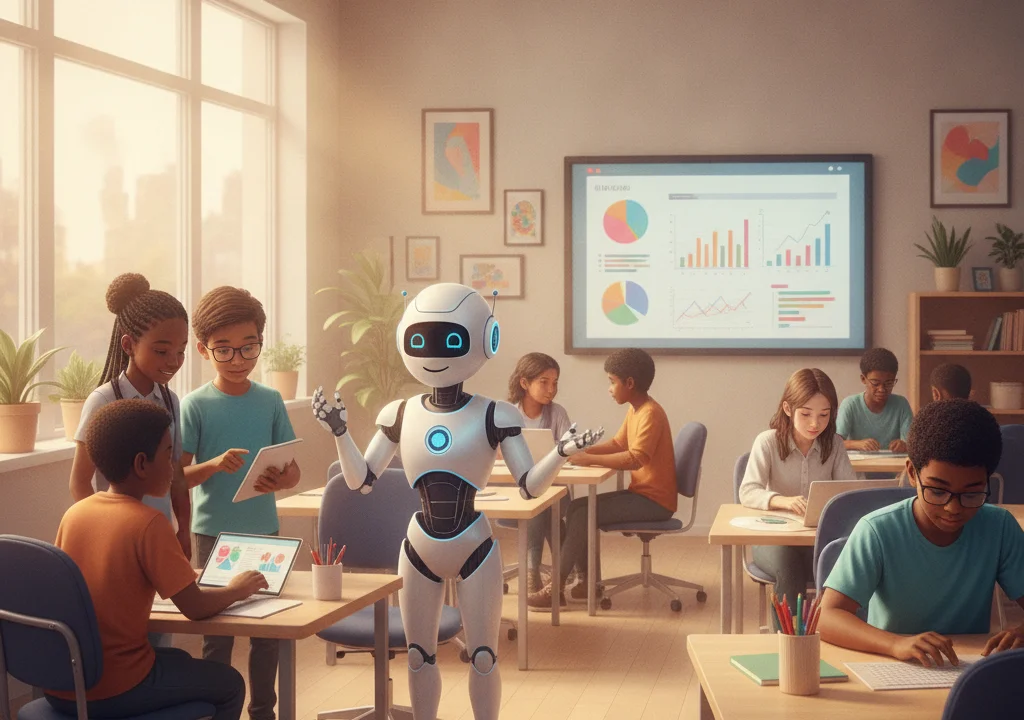
We usually talk about "AI in education" — chatbots that tutor students, tools that grade essays, algorithms that personalize a lesson plan. But there's a quieter, equally important question underneath it: how do we educate the AI itself?
Every model learns from something. Textbooks, research papers, forum posts, code repositories, years of human conversation. In a real sense, training a model is an act of teaching, and like any student, what an AI becomes depends heavily on what — and how — it's taught. Feed it narrow, biased, or low-quality material, and it reflects that back. Give it a broad, well-curated education, and it can reason more carefully, explain itself more clearly, and be more genuinely useful.
This reframes a few things. Data curation starts to look like curriculum design. Fine-tuning starts to look like mentorship. And evaluation — the tests we run before trusting a model with real tasks — starts to look a lot like the exams we've always used to check whether learning actually happened.
The deeper lesson is that educating AI isn't just a technical challenge, it's a pedagogical one. The same principles that make human education work — clear examples, honest feedback, diverse perspectives, and a chance to be wrong safely — turn out to matter just as much when the student is made of weights and parameters instead of neurons.
Maybe the future of education isn't just AI teaching us. It's us learning how to teach AI well.